
"G1 G2 G3 G4"
300 article(s) found

Unique Ethiopian Coffee Estate Boutique Coffee Bean Cultivation Location Climate Sea
Ethiopia is home to Arabica coffee, and it is in the forests of the Ethiopian Kaffa region that you can see Arabica coffee growing wild. In Ethiopian, coffee is called Bun or Buna, and coffeebean may be translated from Kaffa Bun. Arabica coffee was discovered early in the Harar area and is likely to come
Ethiopian washed Sidama G1 Miyu micro-batch coffee beans flavor characteristics, production areas and brewing ginseng
Professional barista exchanges, please pay attention to coffee workshop (Weixin Official Accounts cafe_style ) Ethiopian coffee beans adopt this grading method according to the proportion of defective beans. Indonesian beans are mainly divided into 6 grades, namely G1G6. Ethiopia also uses this method, the highest grades of washed beans are G1 and G2; the highest grades of sun beans are G1 and G3. Wash: Grade-1;Grade-2 (G1G2) Days

There are several coffee farms in Ethiopia's coffee-producing countries
Grade of Ethiopian coffee: Ethiopian washed coffee Yega Chuefei G1 G2 Sidamo (Yirgacheffe, Sidamo) has the highest grades 2 and 3 (G2, G3), while sun-processed coffee in eastern Ethiopia is mostly grade 4 or 5 (G4, G5). In many cases, level 4 coffee is marked as level 5 in order to reduce taxes. At present, the classification is not uniform and there are

What are the categories of Robusta coffee beans
Following Cafe (official account vdailycom of Wechat) found that Beautiful Cafe opened a small shop of its own. In fact, Robusta also falls into many categories and can't generalize or pursue price blindly. Among the big coffee countries, Robusta is a major producer of Vietnam, Brazil, Indonesia, India and so on. Like Arabica, Robusta in each country has a corresponding hierarchy.
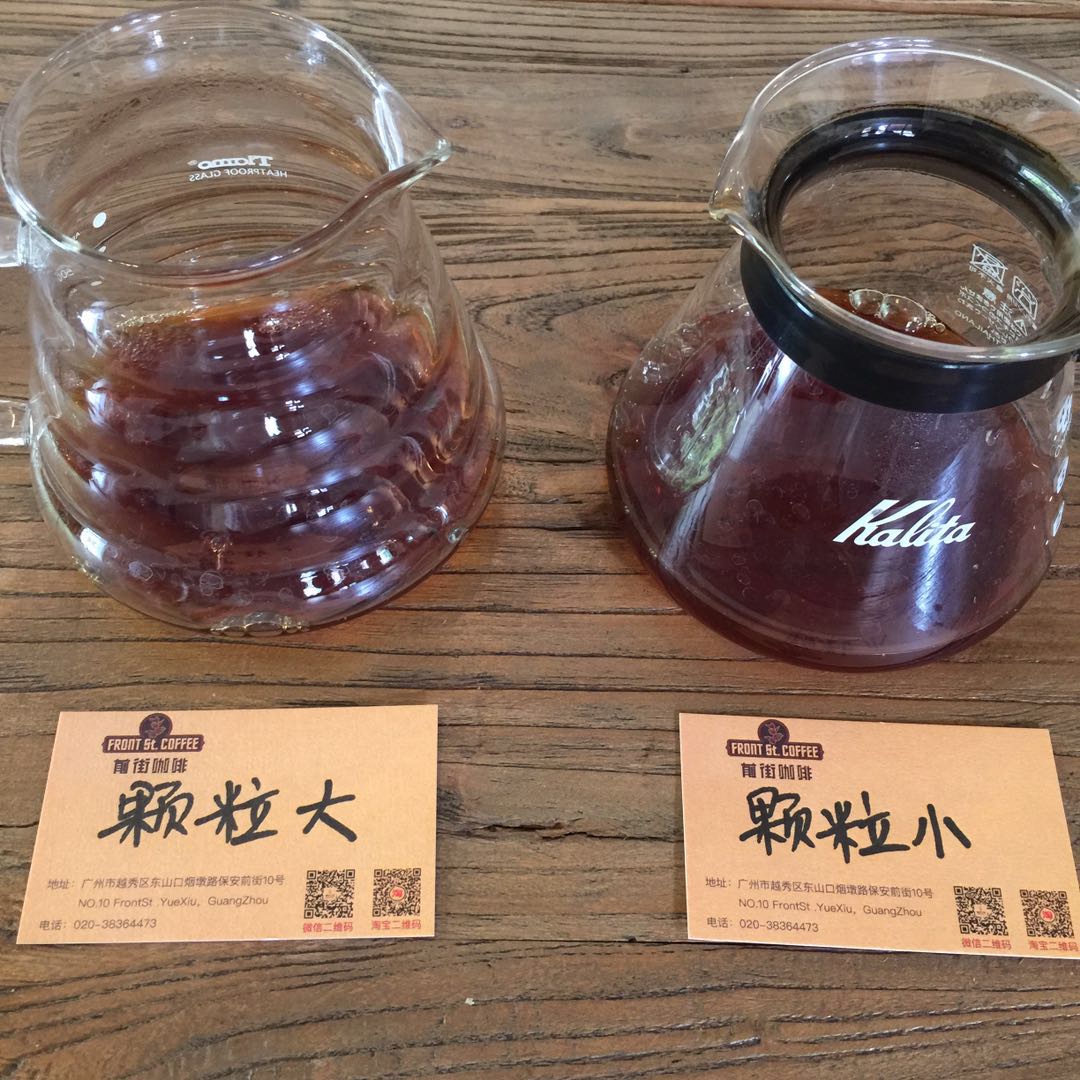
Why are Ethiopian coffee beans always big and small? Is there any difference in flavor?
For professional baristas, please follow question 1 of the coffee workshop (official Wechat account cafe_style): why are Ethiopian coffee beans always big and small? If you are very fond of African beans, it should be easy to find that Ethiopian beans are generally of different sizes and have significantly lower evenness than those in Kenya. Whether it's Yega Sheffield or Sidamo,
Ethel Biaxidamo G1 Solar Coffee Bean Flavor description Variety taste area introduction
In order to produce high-quality coffee beans, professional management team will make full use of shade trees and natural conditions. in the production of high-quality coffee while minimizing the impact on the natural environment. In this way, we can protect the ecological environment, social development and the well-being of community workers.

Introduction to the flavor description and grinding characteristics of Ethiopian coffee varieties in producing areas
Grade of Ethiopian coffee: Ethiopian washed coffee Yega Chuefei G1 G2 Sidamo (Yirgacheffe, Sidamo) has the highest grades 2 and 3 (G2, G3), while sun-processed coffee in eastern Ethiopia is mostly grade 4 or 5 (G4, G5). In many cases, level 4 coffee is marked as level 5 in order to reduce taxes. At present, the classification is not uniform and there are

Introduction to the method of Flavor description, Grinding Calibration and Variety treatment in Shaqiso producing area of Ethiopian Coffee
Ethiopian Coffee Coffee Shachiso Flavor description Grinding Calibration Variety treatment method introduces the grade of Ethiopian coffee: Ethiopian washed coffee Yega Xuefei G1 G2 Sidamo (Yirgacheffe, Sidamo) the highest grades are grade 2 and 3 (G2, G3), and most of the sun-processed coffee in eastern Ethiopia are grade 4 or 5 (G4, G5).

The Flavor description characteristics of Yega Snow Flavor introduction of Fine Coffee beans by Taste treatment method
Yega Chuefei flavor G1 is the highest grade, generally more common are water washing G2 and sun G3, I prefer sun-washed Yega Chefe, which gives people a clear feeling, while the sun makes people feel more mellow and full-bodied, just like bathing in a sea of flowers. The sun-tanned G4Jing G5 is usually sold as Sidamo, one of the three major coffee producing areas in Egypt, yeah.
How much do you know about the coffee producing areas in Ethiopia?
Following caf é (Wechat official account vdailycom) found that Beautiful Cafe opened a small shop of its own. What else is there besides Yega Xuefei, the coffee producing area of Ethiopia? Ethiopia, an ancient country on the African continent, is the hometown of Arabica coffee. It is in the forests of the Kaffa region that you can see wild Arabica coffee. Coffee is in Ethiopia.

Ethiopian Coffee Flavor Description Grind Characteristics Variety Producing Area Taste Boutique Coffee Introduction
Ethiopian coffee grade: Ethiopian washed coffee Yirgacheffe G1 G2 Sidamo (Yirgacheffe, Sidamo) the highest grade is second and third grade (G2, G3), the eastern part of Ethiopia sun processing coffee is mostly fourth or fifth grade (G4, G5). In many cases, fourth-grade coffee is labeled as five-grade in order to reduce taxes. The current classification is not very uniform, there are

Introduction to the characteristics of coffee flavor and taste of Ethiopian coffee manor with long, pointed beans
The highest grades of Ethiopian washed coffee Yega Chuefei G1 G2 Sidamo (Yirgacheffe, Sidamo) are Grade 2 and Grade 3 (G2, G3), while most of the sun-processed coffee in eastern Ethiopia are Grade 4 or Grade 5 (G4, G5). In many cases, level 4 coffee is marked as level 5 in order to reduce taxes. At present, the grading is not uniform and messy, because there is also sun processing.

KSJ
In order to distinguish between good quality coffee beans and poor quality coffee beans, manufacturers have to grade coffee. Coffee is usually graded according to the defect rate and the size of beans.
KSJ
In order to distinguish between good quality coffee beans and poor quality coffee beans, manufacturers have to grade coffee. Coffee is usually graded according to the defect rate and the size of beans.
Introduction to the difference between Sidamo Coffee Flavor description and Yega Xuefei
Introduction to the difference between Cedamo Coffee Flavor description and Yega Chuefei Coffee the highest grades of Yirgacheffe and Sidamo are Grade 2 and Grade 3 (G2, G3), while most of the sun-processed coffee in eastern Ethiopia are Grade 4 or Grade 5 (G4, G5). In many cases, level 4 coffee is marked as level 5 in order to reduce taxes

Introduction to the Grade G1 washed by Yega Sheffield Wauka Coffee
Professional Coffee knowledge Exchange more Coffee Bean Information Please note Coffee Workshop (Wechat account cafe_style) Front Street-washed Yega Xuefei G1 coffee beans in Indonesia and Africa are divided into 6 grades, namely G1~G6. The highest grade of washed bean was G1 and G2, and that of Japanese bean was G1 and G3. What does that mean? As follows

Freshly baked coffee beans grade learning! What does the legendary G1 G2 mean?
Professional coffee knowledge exchange more coffee bean information Please follow the coffee workshop (Wechat official account cafe_style) in order to distinguish good coffee beans from poor quality coffee beans, we have to grade coffee. Coffee is usually graded according to the defect rate and the size of beans.
Yega Sheffield Wauka Coffee, Yega Sheffield Wauka Water washing G1 Special Features
Professional Coffee knowledge Exchange more Coffee Bean Information Please note Coffee Workshop (Wechat account cafe_style) Front Street-washed Yega Chefevoca G1 coffee beans in Indonesia and Africa are divided into 6 grades, namely G1~G6. The highest grade of washed bean was G1 and G2, and that of Japanese bean was G1 and G3. What does that mean?

Guji, Ethiopia G1 washed sun-cured coffee beans flavor description treatment of variety characteristics
Ethiopian coffee flavor description introduces Ethiopia's Yirgacheffe coffee, although petite, it is gentle and delicate, sweet and lovely. As the hometown of coffee, thousands of years of planting history and processing tradition in Ethiopia have created high-quality washed Arabica beans. Light baking has a unique sweet aroma of lemon, flower and honey, with soft acidity.
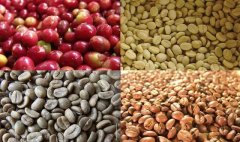
How are Ethiopian coffee beans graded?
The grading we are talking about now refers to the grading of raw beans in the country where coffee is produced. (no matter which country coffee beans are not graded) Ethiopian coffee beans are divided into five grades. The first and second stages are reserved for washing beans with water. Grade 1 represents 0-3 raw beans and Grade 2 represents 4-12 missing beans per 300g raw beans. Grade 1 (G1) grade water washed bean pole